
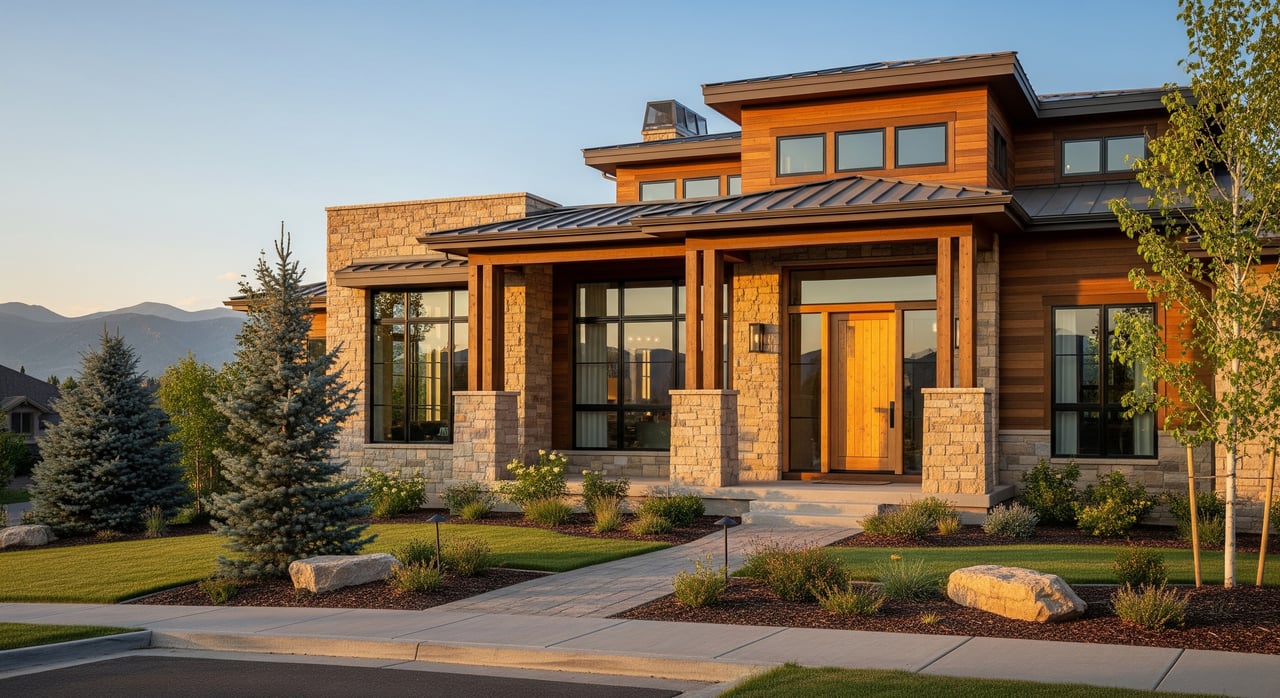
Buying your first home in Centennial can feel exciting and overwhelming at the same time. You might be wondering how much cash you really need, what programs you qualify for, and which loan fits your budget. You are not alone. Many first-time buyers in Arapahoe County use a mix of state and federal options to lower upfront costs and get competitive financing.
In this guide, you will learn the key first-time buyer programs that Centennial residents should know, how to check eligibility in Arapahoe County, smart ways to combine assistance, and a simple path to pre-approval. Let’s dive in.
First-time buyer programs to know
CHFA options in Colorado
The Colorado Housing and Finance Authority (CHFA) offers programs that help with upfront costs and ongoing affordability when paired with an eligible first mortgage.
- CHFA Down Payment Assistance (DPA). Helps cover down payment and closing costs when combined with a CHFA-qualified first mortgage. Assistance can be structured as a second mortgage or grant depending on the product and borrower profile. County income and purchase-price limits apply, and you typically work with a CHFA-approved lender. Homebuyer education is often required.
- CHFA Mortgage Credit Certificate (MCC). A federal tax credit administered by CHFA that allows you to claim a portion of your annual mortgage interest as a tax credit, which reduces your federal tax liability. Limits and rules apply, and you apply before or at closing.
Start by reviewing CHFA’s homeownership pages to confirm current program rules, lender participation, and eligibility in Arapahoe County. Explore the CHFA overview on the official site under homeownership resources for current details: CHFA homeownership programs.
Conventional low-down-payment loans
- 97 percent LTV conventional purchase options. Some conventional loans allow as little as 3 percent down for eligible buyers. These often require stronger credit and a stable debt-to-income profile. Private mortgage insurance (PMI) applies until you reach about 20 percent equity.
- HomeReady and Home Possible. Designed for low to moderate income borrowers, these programs may offer reduced mortgage insurance and flexible underwriting features. Learn more directly from the agencies: Fannie Mae HomeReady and Freddie Mac Home Possible.
FHA loans
FHA loans allow as little as 3.5 percent down for eligible borrowers and are often helpful if your credit score is still building. FHA requires both an upfront and annual mortgage insurance premium. Review FHA program basics from HUD’s official Single Family Housing pages: HUD FHA resources.
VA loans
If you are a qualified veteran, active-duty service member, or an eligible surviving spouse, a VA-guaranteed loan can offer no down payment, no PMI, and competitive terms. A one-time funding fee may apply, with some exemptions. Check eligibility and the Certificate of Eligibility process on the VA site: VA Home Loans.
USDA loans
USDA Rural Development loans offer 100 percent financing for eligible buyers in designated rural areas. Centennial is part of the Denver metro, so many properties will not qualify, though some fringe areas of Arapahoe County could. You can confirm property eligibility on the official USDA map: USDA property eligibility.
Do you qualify in Arapahoe County
First-time buyer definition
Many programs define a first-time buyer as someone who has not owned a primary residence in the past three years. CHFA and most lenders follow a similar standard, with some exceptions for specific targeted areas or veteran status. Always verify the exact definition for the program you plan to use.
Income and purchase-price limits
Programs like CHFA DPA and MCC set income and purchase-price limits that vary by county and household size. The Denver metro and Arapahoe County often have higher limits than rural areas due to pricing. These limits are updated regularly, so confirm the latest figures on CHFA’s site before you apply.
Property and occupancy rules
Most first-time buyer programs require you to use the home as your primary residence. Investor purchases and short-term rentals are typically ineligible. Some programs have additional guidelines for property type and condition. Your lender can explain appraisals and property requirements for each loan type.
Lender and education requirements
CHFA programs usually require a CHFA-approved lender and completion of a homebuyer education class. FHA, conventional, VA, and USDA products have unique underwriting rules for credit score, debt-to-income ratio, and reserves. Lenders may apply their own overlays, so ask for specifics and get them in writing.
Where to verify details
- CHFA for Colorado limits, DPA and MCC rules, and participating lenders: CHFA homeownership programs
- FHA program guidance: HUD FHA resources
- Housing counseling resources, including local options: HUD-approved counseling
Smart ways to combine programs
- CHFA DPA plus a CHFA-qualified first mortgage. Use DPA to reduce cash needed for down payment and closing while financing your first mortgage with a CHFA-approved product. Ask whether the assistance is forgivable or deferred and how it appears on title.
- CHFA MCC plus a first mortgage. The tax credit can offset a portion of your annual mortgage interest if you expect to owe federal income tax. A tax professional or your lender can help estimate potential benefit.
- 3 percent down conventional plus eligible assistance. Some assistance programs can be layered with conventional financing to cut upfront cash. Confirm stacking rules with your lender.
- FHA plus DPA. A common combination when you need flexible credit requirements and help with upfront costs. Verify that the DPA you plan to use is approved for FHA pairing.
- VA plus MCC or local grants. Eligible buyers can leverage no-down VA financing and explore additional assistance where allowed. Confirm all stacking in writing.
Pro tip: Lower down payments can raise monthly costs due to mortgage insurance or fees. Conversely, an MCC is a tax credit, not a deduction, and its benefit depends on your tax situation. Ask your lender and tax advisor to model scenarios before you choose.
How to get pre-approved in Centennial
Follow this straightforward workflow to move from research to ready-to-offer.
- Self-assess finances
- Check your credit score, list all monthly debts, and total your available savings. Use a mortgage calculator to estimate a safe monthly payment range.
- Learn your program basics
- Review CHFA, FHA, VA, and conventional 3 percent down options to see what aligns with your goals. If you plan to use assistance, note any education requirements and limits.
- Contact lenders, including a CHFA-approved option
- Reach out to two or three lenders. If assistance is your priority, include at least one CHFA-approved lender. Ask about program experience, fees, and whether they can stack assistance with your chosen loan.
- Complete required education
- If you plan to use CHFA DPA or MCC, sign up for approved homebuyer education. This class helps you understand budgeting, closing costs, and homeownership readiness.
- Secure formal pre-approval
- Submit documents and request a written pre-approval letter that states loan type, amount, and assumptions. A strong pre-approval strengthens your offer in competitive Centennial situations.
- Shop and write offers
- Tour homes within your pre-approval range. When you are ready, your agent will align financing and contingency timelines with your lender.
- Processing and close
- Expect appraisal, underwriting, and final conditions. Plan for 30 to 45 days from contract to close depending on inspection, appraisal, title, and lender workflow.
Documents lenders usually request
- Government-issued photo ID
- Social Security number for credit pull
- Two years of W-2s and or 1099s
- Recent pay stubs for the last two months
- Two years of federal tax returns if requested
- Two to three months of bank statements for all assets
- A list of monthly debts and housing history
- Gift letter or documentation for large deposits if applicable
- VA Certificate of Eligibility for VA loans
- Any court or discharge paperwork for past credit events if applicable
For a plain-language guide to pre-approval, review the Consumer Financial Protection Bureau’s overview: CFPB mortgage pre-approval basics.
Local lender strategy for Centennial buyers
Choosing the right lending partner can make or break your timeline and savings.
- CHFA-approved lenders. If DPA or MCC is on your wish list, confirm the lender is approved and experienced with CHFA processes.
- Local credit unions and community banks. These can offer competitive rates and may provide member advantages.
- Mortgage brokers. Brokers can shop multiple wholesale lenders to match your profile with the best combination of programs and pricing.
- Direct or national lenders. Consistent underwriting and tech-forward processes can be helpful, but verify they participate in the programs you want.
Key questions to ask lenders:
- Which first-time buyer programs do you offer for Arapahoe County, and are you CHFA-approved?
- Can I stack assistance with my loan choice? Please provide it in writing.
- What are my total cash-to-close estimates with and without assistance, including mortgage insurance or funding fees?
- How long is your typical contract-to-close timeline in Centennial?
Practical tips to stay competitive
- Get your education done early. If you plan to use CHFA, complete the class before shopping.
- Verify limits before you fall in love with a home. Check income and purchase-price caps for Arapahoe County on CHFA’s site.
- Keep documents organized. Quick responses help underwriting and can shorten closing timelines.
- Right-size your budget. Pairing programs can lower upfront costs, but be sure the monthly payment supports long-term comfort.
- Leverage counseling support. If you want a neutral financial check-in, explore a HUD-approved counseling agency: HUD-approved counseling.
Ready to take the next step
If you are planning a first purchase in Centennial, a thoughtful strategy with the right loan program can save you time and money. From narrowing loan types to coordinating education and timelines, you deserve a guide who keeps every detail on track so you can focus on finding the right home for your lifestyle.
Have questions about programs, local lenders, or next steps in Centennial and the southern Denver suburbs? Reach out to Jennifer Ramirez CO to start a personalized plan that fits your goals and timeline.
FAQs
What is the best first-time buyer program for Centennial
- It depends on your credit, income, down payment savings, and tax situation. Compare CHFA DPA, MCC, FHA, VA if eligible, and conventional 3 percent programs with a local lender to see which aligns with your budget.
How do I check CHFA income and price limits for Arapahoe County
- Review CHFA’s official homeownership resources for current county-by-county limits, then confirm with a CHFA-approved lender before you apply.
Can I buy in Centennial with zero down
- Yes if you qualify for VA or USDA. VA loans offer zero down for eligible borrowers. USDA requires a property in a designated rural area, which is uncommon inside Centennial but possible in some fringe areas of Arapahoe County.
Do conventional 3 percent down loans have mortgage insurance
- Yes. PMI applies until you reach about 20 percent equity, at which point you can typically request removal based on program rules and lender policy.
Does FHA always require mortgage insurance
- FHA loans include both upfront and annual mortgage insurance premiums. The duration and cost depend on your down payment and loan terms. Review details on HUD’s FHA pages.
What documents do I need for pre-approval in Centennial
- Expect photo ID, Social Security number, two years of W-2s or 1099s, recent pay stubs, bank statements, tax returns as needed, and documentation for any gifts or large deposits.
Where can I find homebuyer education or counseling
- If you are using CHFA, complete the approved homebuyer education specified by your lender. For additional support, browse HUD-approved counseling to locate agencies that serve the Denver metro area.