If you are preparing to sell an estate home in Cherry Hills Village, presentation is about much more than tidying up a beautiful interior. In a market defined by large lots, high expectations, and limited inventory, buyers are often evaluating the entire property experience from the front gate to the back acreage. The good news is that with the right strategy, you can showcase your home’s scale, setting, and finish in a way that feels polished and intentional. Let’s dive in.
Why presentation matters here
Cherry Hills Village is a small, predominantly residential community of about 6,400 residents, and its development standards reflect a long-standing low-density, semi-rural vision. According to the city’s demographics and zoning overview, residential districts include minimum lot sizes ranging from 1 acre to 2.5 acres, with height limits generally capped at 35 feet and substantial setbacks.
That context matters when you present an estate home. Buyers are not just reacting to square footage or finishes inside the house. They are also taking in the driveway approach, the tree canopy, fencing, gates, outdoor amenities, and how the home sits on the land.
The city’s history of Cherry Hills Village also notes that much of the town was planned around 2.5-acre minimum building sites and a semi-rural character. In practical terms, that means your property is often viewed as a full estate setting, not simply a residence.
Start with the full arrival experience
First impressions begin well before a buyer steps inside. In Cherry Hills Village, that first impression may include a long drive, perimeter fencing, mature landscaping, and the way the home reveals itself from the street.
The National Association of Realtors defines curb appeal as how a home looks from the street, and its consumer guide to marketing your home notes that exterior appearance strongly shapes buyer perception. For estate properties, that principle carries even more weight because the grounds are often a central part of the value story.
Before listing, focus on the features that help buyers understand the property quickly:
- Clean and defined driveway edges
- Repaired or freshly aligned gates
- Neat fencing and perimeter details
- Healthy lawn or well-maintained naturalized landscape
- Pruned trees and tidy planting beds
- A clear, welcoming path to the front entry
These updates do not need to feel overdone. The goal is to create a polished estate presentation that feels cared for, calm, and easy to experience.
Prioritize landscaping and tree maintenance
In a place like Cherry Hills Village, landscape upkeep is not just cosmetic. It can affect visibility, safety, and overall presentation.
The city states on its Trees & Limbs page that homeowners are responsible for trimming trees that obstruct visibility and maintaining vegetation in rights-of-way. Overgrowth can create safety concerns for drivers and pedestrians, so basic pruning and cleanup can improve both appearance and function.
This is one of the most important pre-listing steps for estate homes. If your lot includes mature trees, extensive frontage, or long sightlines, buyers will notice whether the grounds feel open, maintained, and intentional. Even small fixes like trimming back limbs, refreshing mulch, and correcting irrigation issues can elevate the entire showing experience.
The city’s zoning framework also references landscape screening for certain fences and perimeter improvements. That makes it especially important to look at your property line presentation as a whole, rather than treating the house and land as separate projects.
Show scale without creating clutter
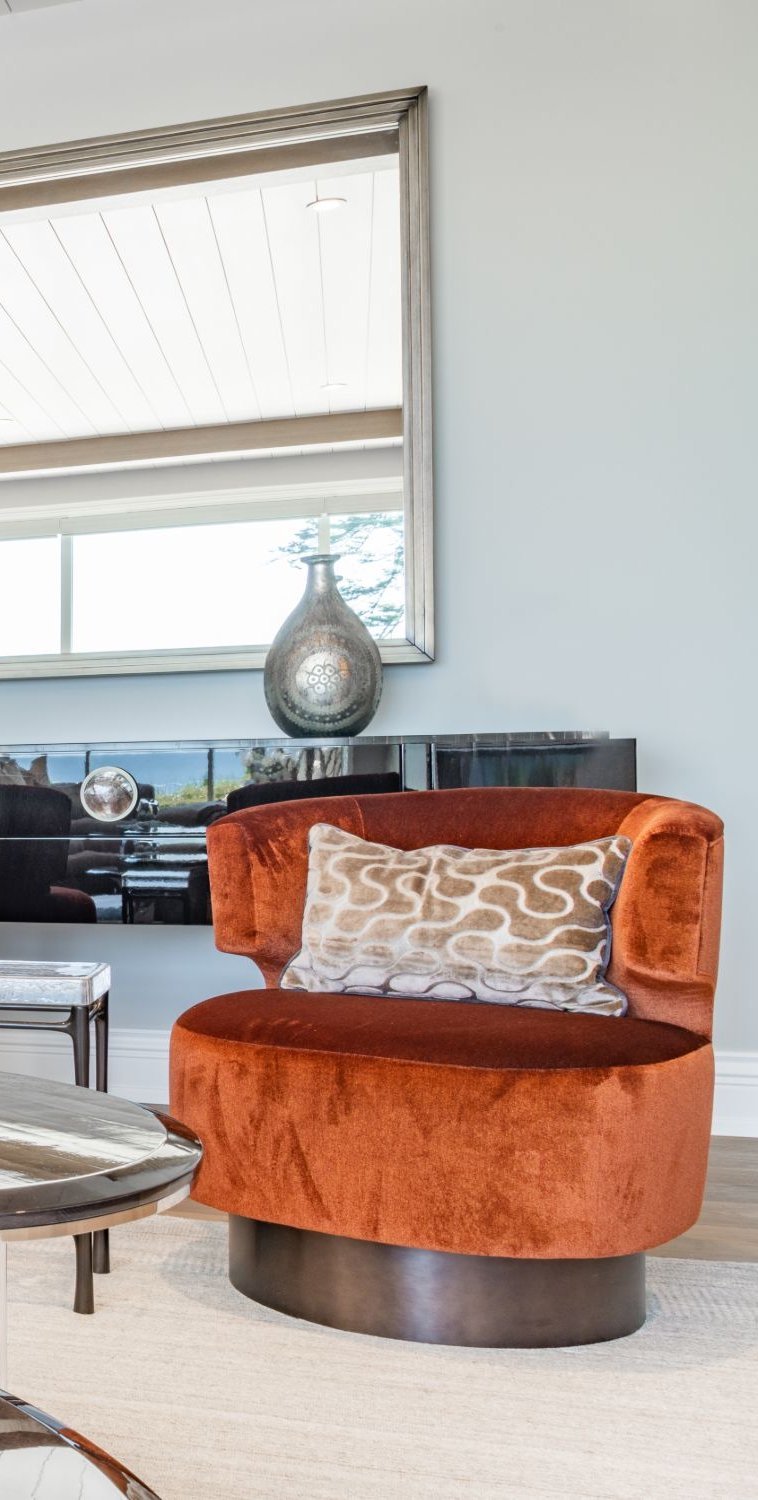
Large homes can be surprisingly hard to present well. Empty rooms may feel smaller than they are, while overly furnished spaces can distract from the architecture and flow.
According to the National Association of Realtors’ staging guidance, vacant or sparsely furnished homes can make it harder for buyers to picture how space is used. NAR also reported that in 2025, the most commonly staged spaces were the living room, primary bedroom, and dining room, which reflects where presentation tends to matter most.
For an estate home, the goal is not to fill every room. It is to help buyers read the scale of the home clearly and move naturally from one area to the next. That usually means:
- Keeping furniture proportional to room size
- Removing pieces that interrupt sightlines
- Styling key rooms with a clear purpose
- Using consistent finishes, tones, and decor cues
- Letting architectural details stand out
This kind of editing can make a home feel larger, calmer, and more cohesive. It also helps photography capture the right balance of elegance and livability.
Focus on the rooms buyers notice most
Not every room needs the same level of prep. A smart presentation plan usually starts with the spaces that shape emotional response and help buyers imagine daily life in the home.
NAR’s staging data found that 91% of staged homes included the living room, 83% included the primary bedroom, and 69% included the dining room. Those rooms often anchor the buyer’s memory of a property, especially in larger homes where not every space will carry equal impact.
In Cherry Hills Village estate homes, you may also want to pay close attention to:
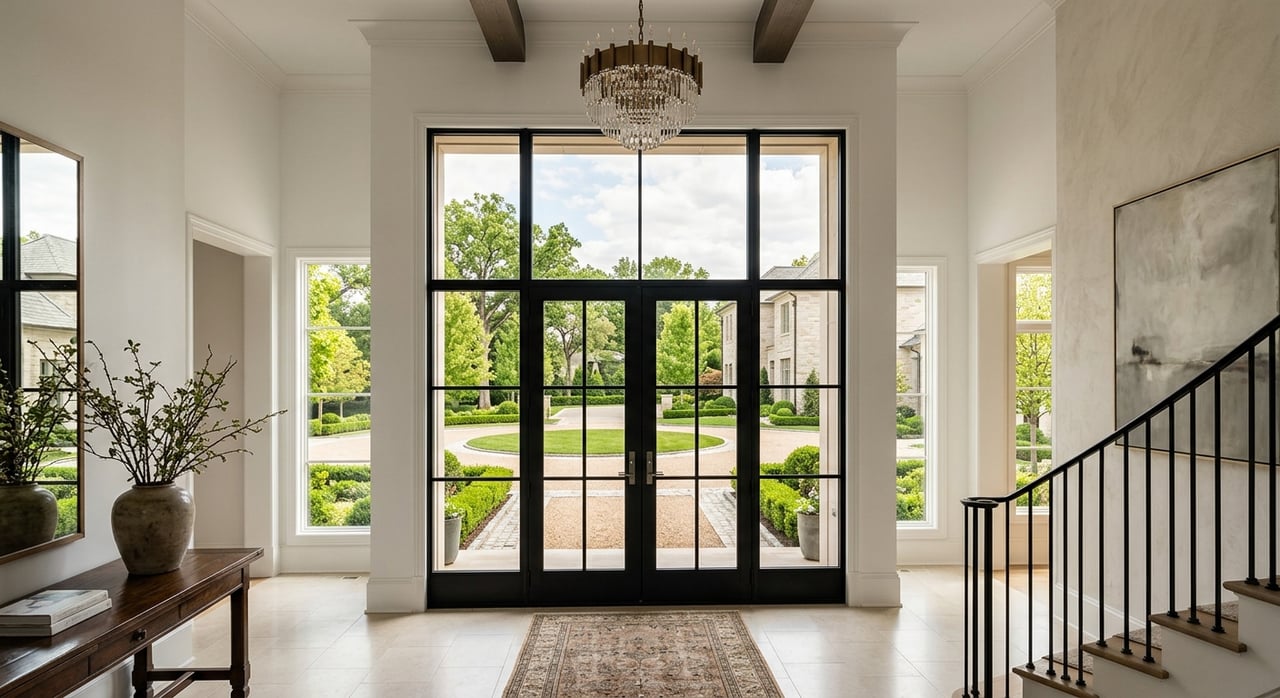
- The front entry and foyer
- Great rooms with high ceilings or large windows
- Kitchen and adjacent gathering areas
- Covered patios or outdoor entertaining spaces
- Home offices, libraries, or flex rooms with specialty use
When these areas are thoughtfully presented, buyers can more easily understand both the home’s function and its lifestyle appeal.
Coordinate updates in the right order
One of the biggest mistakes sellers make is tackling presentation work without a clear sequence. On estate properties, that can lead to wasted time, duplicated effort, or budget overruns.
The National Association of Realtors’ 2025 Profile of Home Buyers and Sellers highlights found that 91% of sellers sold with an agent, and sellers most often wanted help with marketing, pricing, and timing. Some agents also include staging among their services, which reinforces the value of a coordinated, professional approach.
For a Cherry Hills Village estate home, a typical prep sequence may look like this:
- Walk the property and identify visual, functional, and maintenance issues.
- Decide which updates are cosmetic and which may affect timing or approvals.
- Schedule landscaping, tree work, cleaning, and touch-up repairs first.
- Complete paint, finish, and interior refresh work.
- Stage the most important rooms and outdoor areas.
- Photograph and market the home once the full property is ready.
This kind of vendor coordination is especially important when you are presenting a home where land, architecture, and lifestyle features all matter together.
Be careful with major exterior changes
Some exterior upgrades can improve presentation, but bigger projects may affect your timeline. If you are considering a new patio, expanded hardscape, or other site work before listing, it is smart to understand local requirements first.
The city’s Drainage Plan Requirements state that a grading and drainage report is required for projects adding more than 2,500 square feet of impervious surface. Stormwater permits may also be required for construction that disturbs 1 acre or more.
That does not mean you should avoid every exterior improvement. It simply means large-scale projects should be weighed carefully against cost, timing, and return. In many cases, focused maintenance and presentation updates create a stronger and faster listing result than a last-minute construction project.
Price and presentation work together
Cherry Hills Village is a high-value market, but it is also a relatively small and variable one. Zillow reported an average home value of $3,182,803 as of March 31, 2026, with 30 homes for sale and a median list price of $3,280,500, while its Cherry Hills Village market page also reflects the limited inventory typical of this segment.
In a market like this, buyers tend to have high expectations and more sensitivity to presentation. A well-prepared home supports stronger marketing, clearer pricing strategy, and a more confident first impression when your listing goes live.
Presentation alone does not determine value, of course. But in a narrow luxury market, it can shape how quickly buyers understand the property and whether they see your home as worth serious attention.
Think like an estate seller
If you are presenting an estate home in Cherry Hills Village, the most effective mindset is to think beyond the house itself. You are preparing a full property experience that includes approach, scale, land use, privacy, maintenance, and indoor-outdoor flow.
That is why a boutique, hands-on process can make such a difference. When staging, vendor coordination, and listing strategy are aligned, your home is more likely to come to market in a way that feels complete, elevated, and ready for discerning buyers.
If you are thinking about how to position your home for the market, Jennifer Ramirez offers a thoughtful, concierge-style approach with personalized guidance, staging insight, and coordinated preparation designed to help you present your home with confidence.
FAQs
What makes estate homes in Cherry Hills Village different to present?
- Estate homes in Cherry Hills Village are often evaluated as a full property experience, which includes the house, lot, landscaping, driveway arrival, fencing, and outdoor spaces.
How important is curb appeal for a Cherry Hills Village estate listing?
- Curb appeal is especially important because buyers may form opinions from the street or front approach before they ever enter the home, and large lots make exterior presentation more noticeable.
What rooms should you stage in a Cherry Hills Village estate home?
- The living room, primary bedroom, and dining room are often top priorities, along with the foyer, kitchen gathering spaces, and key outdoor entertaining areas.
Do exterior improvements in Cherry Hills Village require permits or reports?
- Some larger projects can. The city requires a grading and drainage report for projects adding more than 2,500 square feet of impervious surface, and some construction activity may require stormwater permitting.
Why does vendor coordination matter when selling an estate home in Cherry Hills Village?
- Estate-home preparation often involves multiple moving parts, so coordinated scheduling for landscaping, repairs, staging, cleaning, and photography can help you avoid delays and present the property more effectively.